

Fellowships for Activists, Investigative Journalists, Filmmakers and Lawyers to spend a year working on one pressing social justice challenge.
We know that activists, investigative journalists, filmmakers and lawyers are doing ground-breaking work to investigate social justice issues, amplify their work and connect with audiences around the world. The Bertha Challenge is a dedicated year to work within a collaborative international cohort to do this work and produce a project that will go beyond the Fellowship.
Location: Egypt
Host Organization: Muwatin Media Network
2025 Bertha Challenge:
The Profit and Politics of Farming
“The Bertha Challenge fellowship fundamentally changed my journalism. It was my first time spending long periods alone in the desert having never spent so much time ‘in the field’ with farmers and their families. When I applied for the Bertha Challenge, I thought it would be business as usual: I do what I’m really good at and love, which is to find and analyze data to expose official wrongdoing or obfuscation. But the fellowship intentionally demanded that I spend real time with the people behind the data and statistics. It changed how I work and it changed what I produced during the year.”
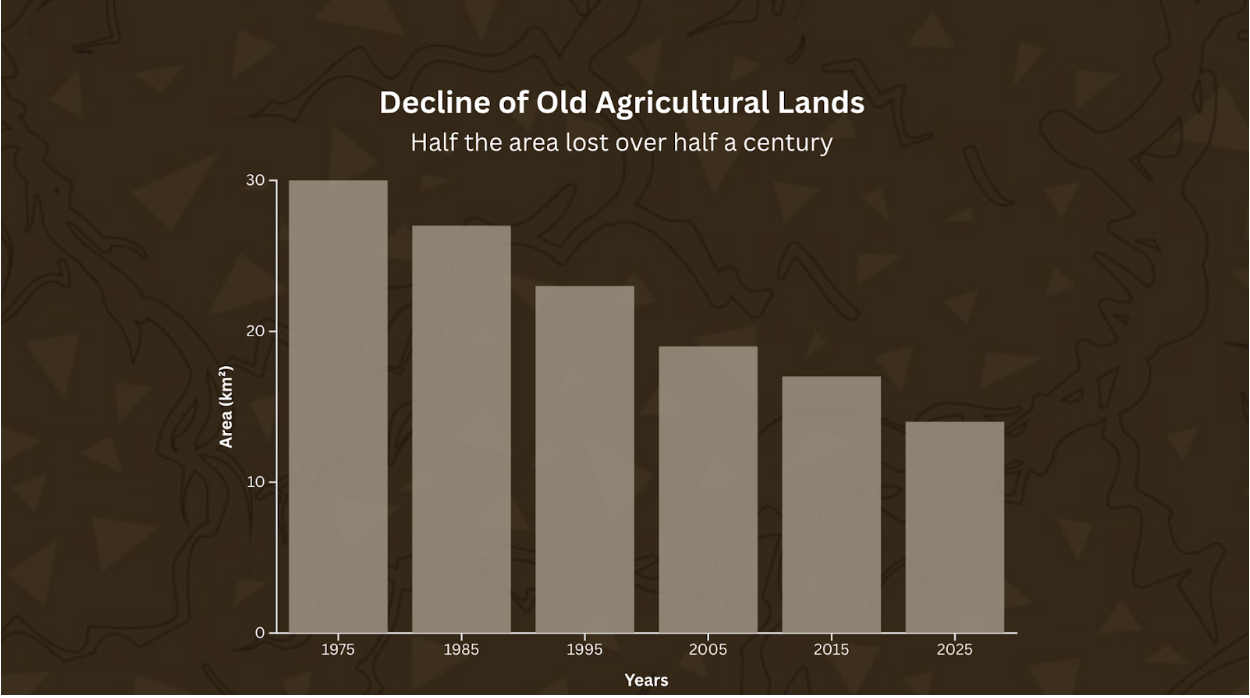
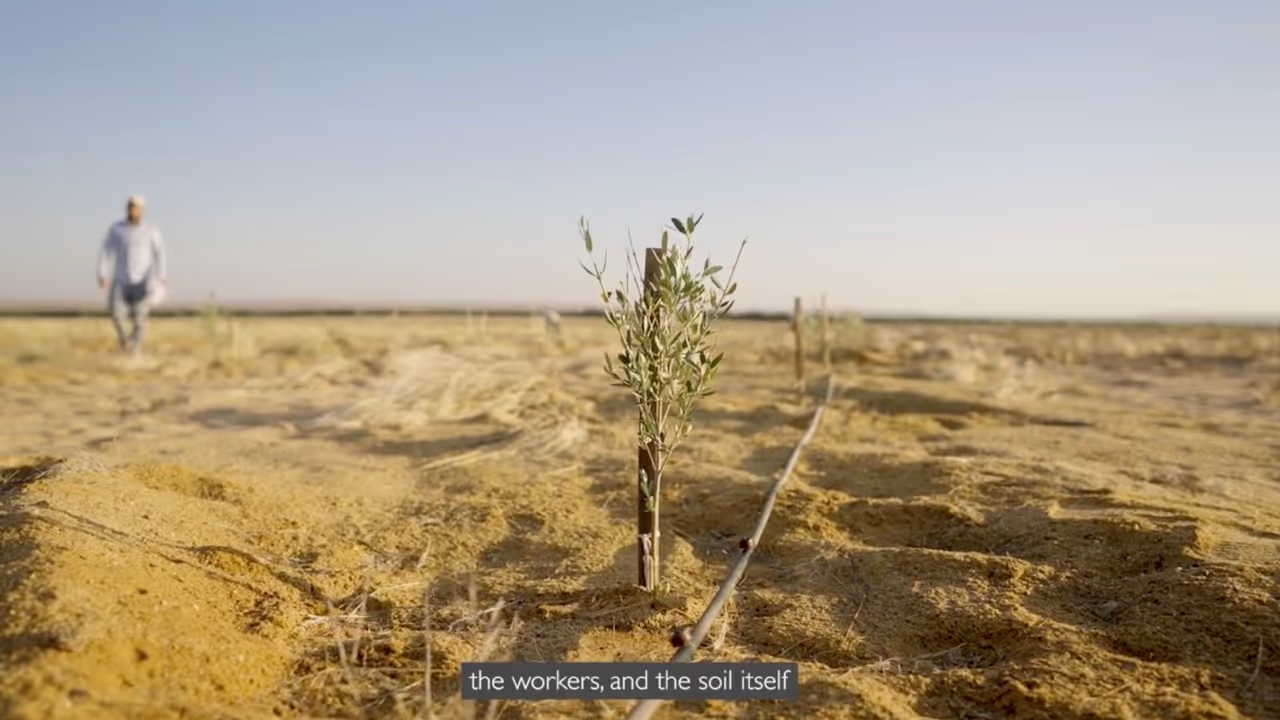
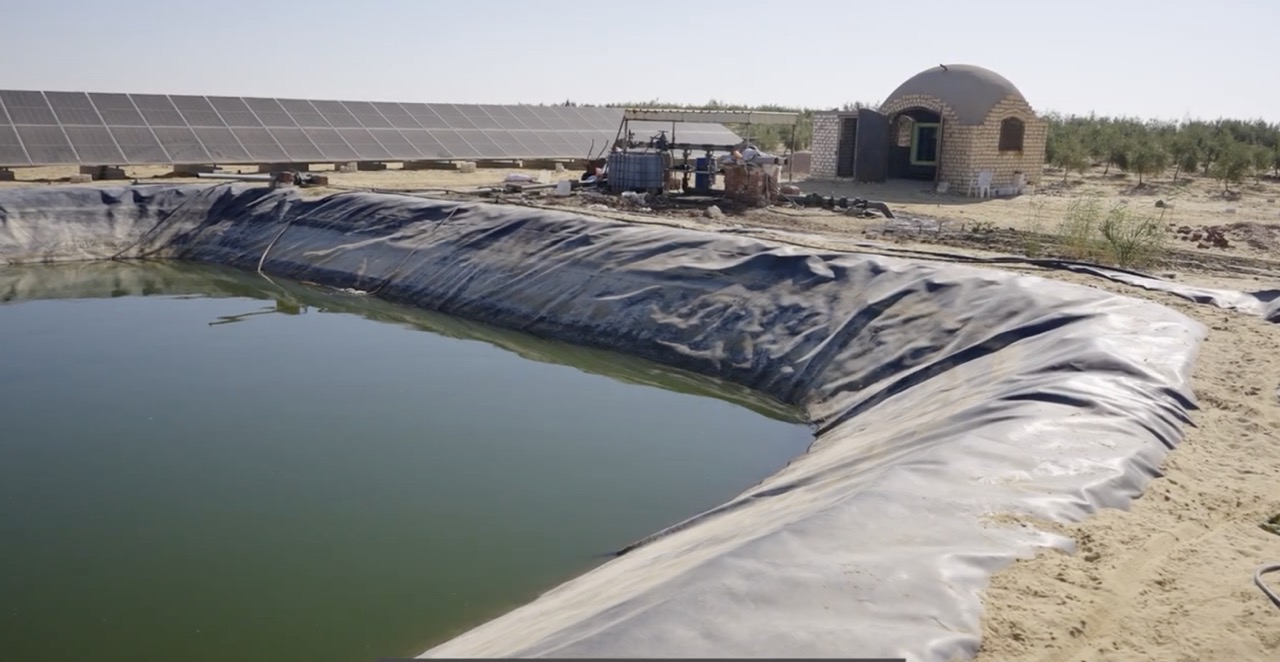
Eman produced three short documentaries and a four-part data-driven interactive investigative project in which she explored sixty years of land-reclamation projects in Egypt’s Western Desert and its impact on groundwater.




%20Large.jpeg)
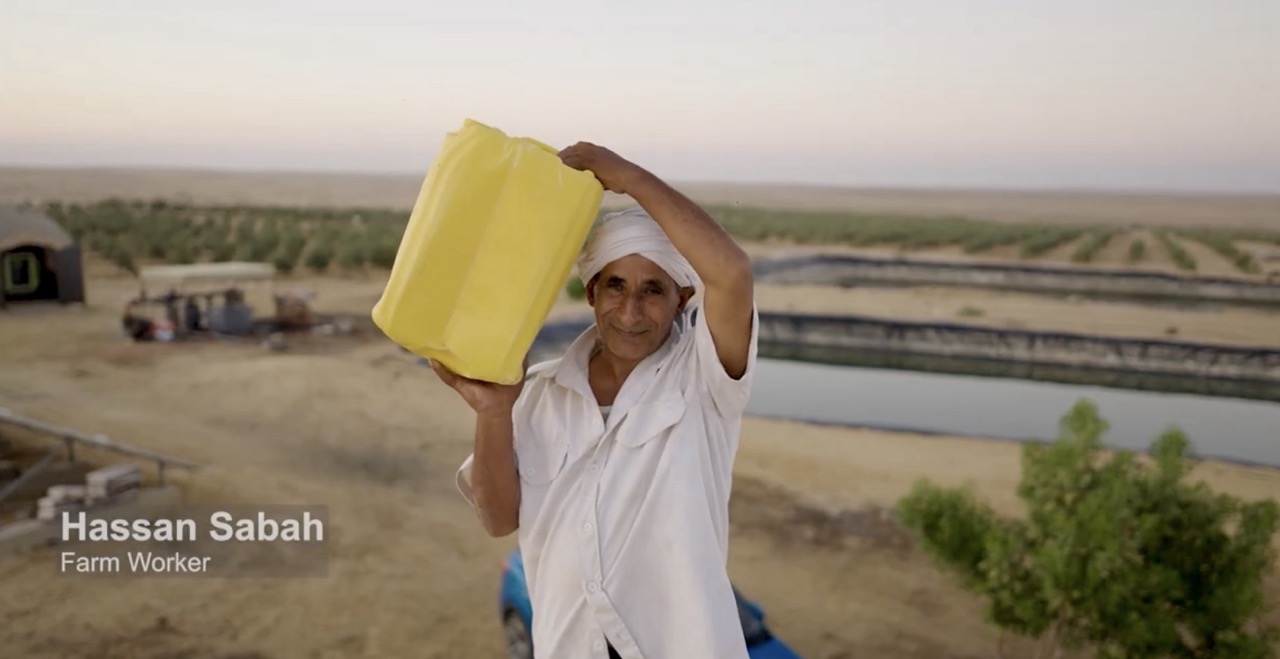


ElMoghra: https://www.youtube.com/watch?v=LvmhHxpGtL4
Who Cultivates the Egyption Desert? Prt 1: https://muwatin.net/53293/agri/en/p1/

Location: Philippines
Host Organization: RIGHTS
2025 Bertha Challenge:
The Profit and Politics of Farming
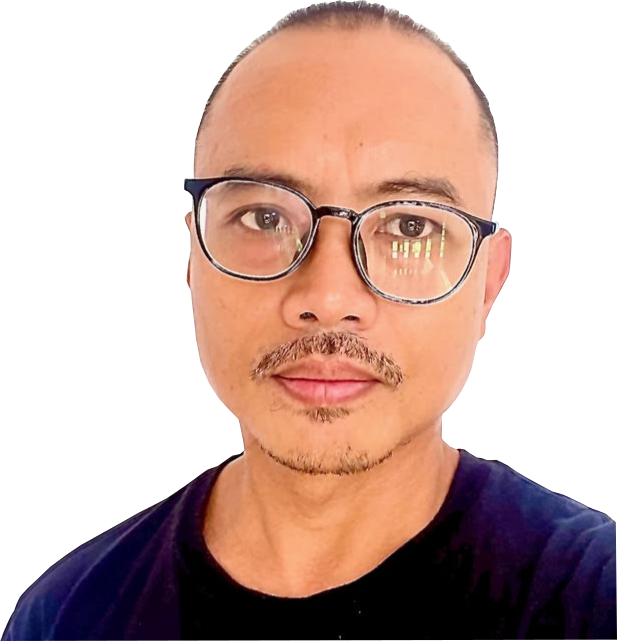
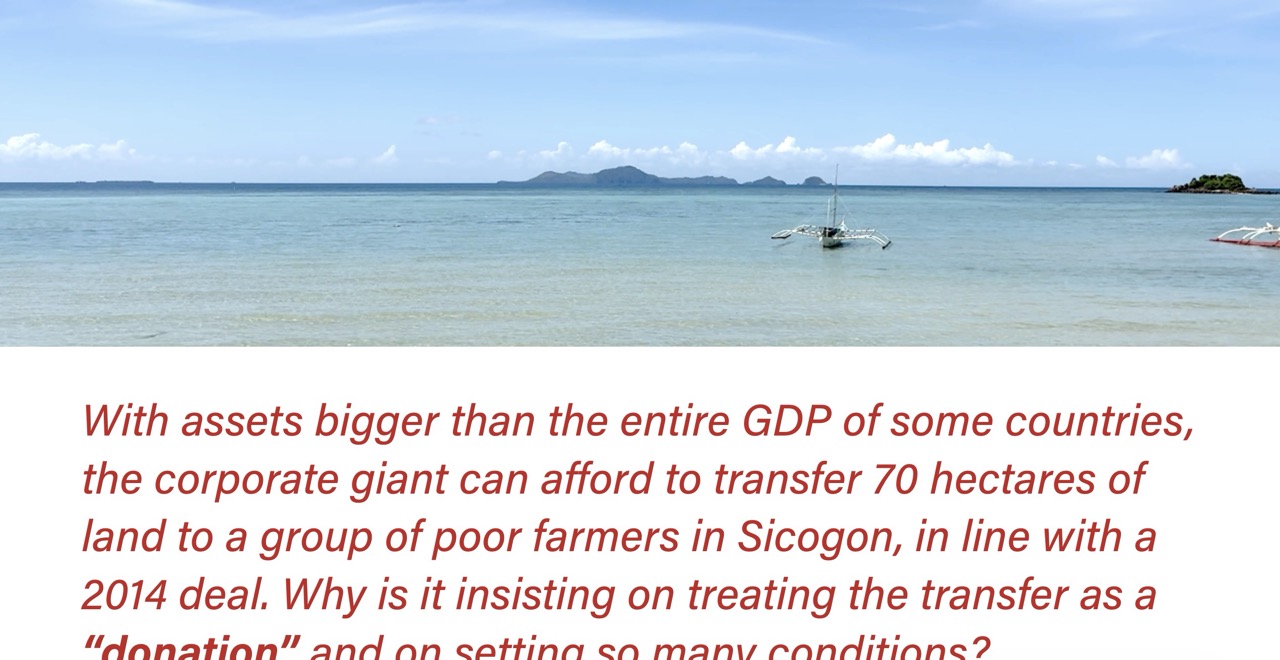
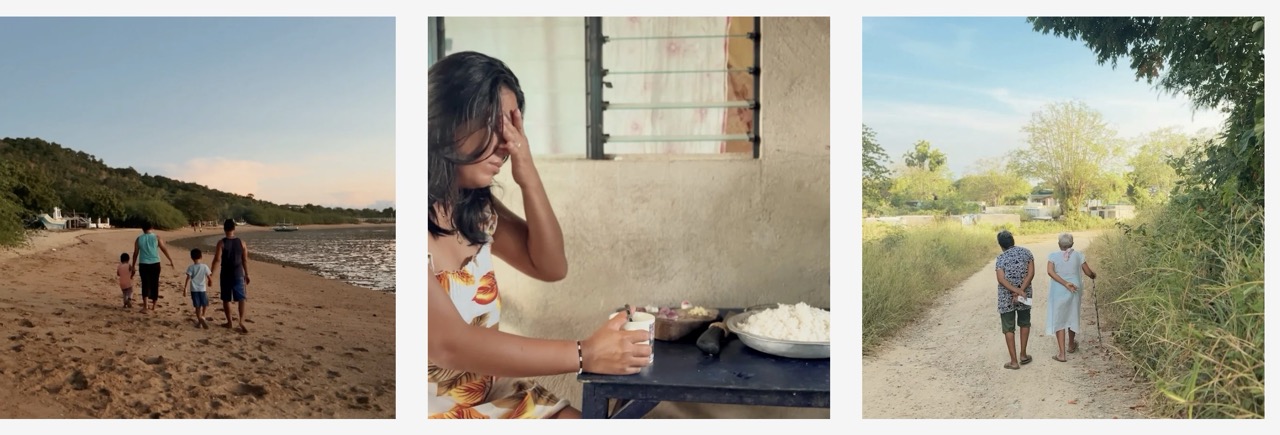
During his Fellowship year Herbert, an academic, teacher, political organizer and meticulous researcher, packed his bicycle, shorts and flipflops and relocated from his home in Manila, home to 20 million Filipinos, to Sigocon island with a population of 6,000. Sigocon with its pristine white-sand beaches and clear turquoise waters, is a paradise island for tourists, but a living monument of immense sadness and anger to indigenous fisher and farm-folk. On this 1,160-hectare island a massive corporation has set its sights on how to dispossess and displace locals in favour of profits. Herbert investigated and exposed how farmers and fisher-folk were deprived of their birthright and land by one of Asia’s most powerful corporations. They promptly built an airport and resort on beach-front land and in the process broke apart families and communities who tried to resist and defend their land.
“I paid attention to the larger forces that shape our lives and who we are. For locals, this island is not another resort-playground for tourists. It’s a home for people with stories and lives who were left shattered in the process of a hotel group taking land and water” Herbert said.
His hour long documentary film, Washed Out (screenings of his documentary can be arranged through the link), accompanied by a written research paper and handbook on advocacy, is available on Rights’ website.
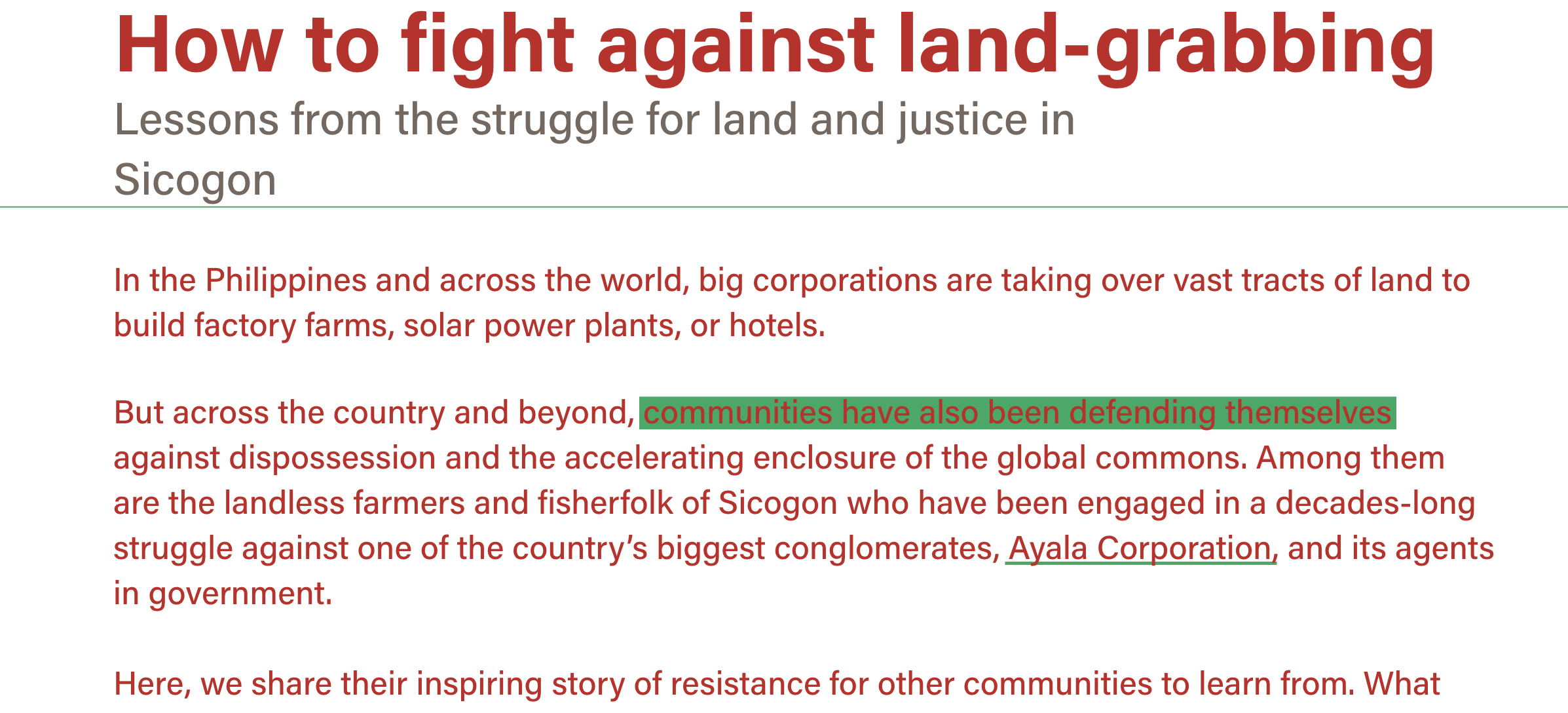
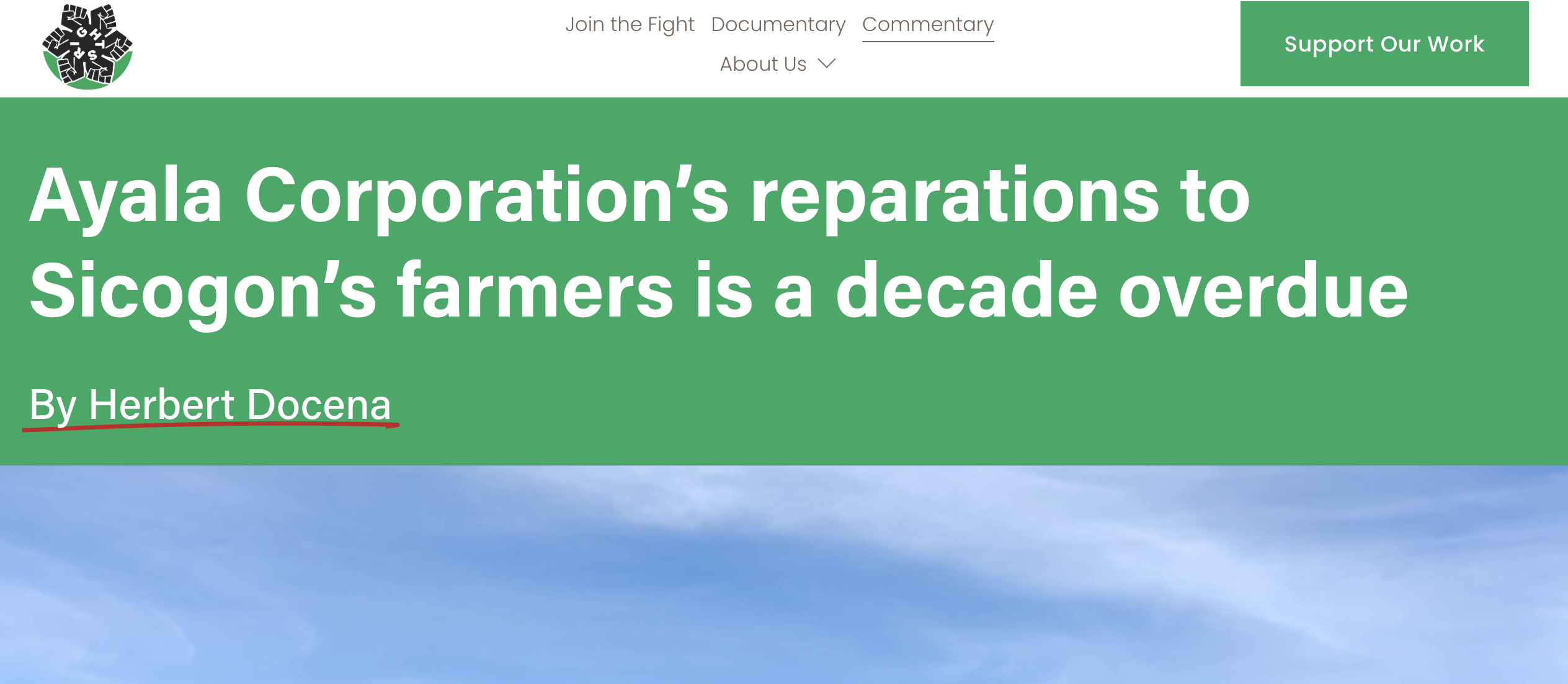
His hour long documentary film, Washed Out, accompanied by a written research paper and handbook on advocacy, is available on Rights’ website.
Location: Italy
Host Organization: Slow News
2023 Bertha Challenge:
The Profit and Politics of Food
“Being a journalist is a lonely job. My year as a Bertha Fellow was the first time I never felt isolated while doing my work. It was a gift to have 12 months - the time! - to really plan, brainstorm and think deeply about my work.”
Milan, Turin, Florence, Bologna, Naples, Salerno, Sala Consilina, Veneto region, Buccino, Atena Lucana, Bellosguardo, Rome, Gallipoli, Rosarno, Como, Reggio Emilia, Trento, Furlo, Sapri, Mezzago. These are towns and cities in Italy where 2023 Bertha Challenge Fellow, Sara Manisera, held public events presenting her articles and data, short film and graphic novel she produced during her Fellowship year.
Her combination of investigative journalism with public participation, inspired other members of the 2023-cohort to follow suit and stood out amongst the seven years of Bertha Challenge Fellows. Her seven articles and film looked at various aspects of pasta produced under the ‘Made in Italy’ label, where it’s produced, who the importers are, where the price speculation mechanism takes place and which industrial groups control the pasta market.

Illustration of Cargill Sara used in her article.
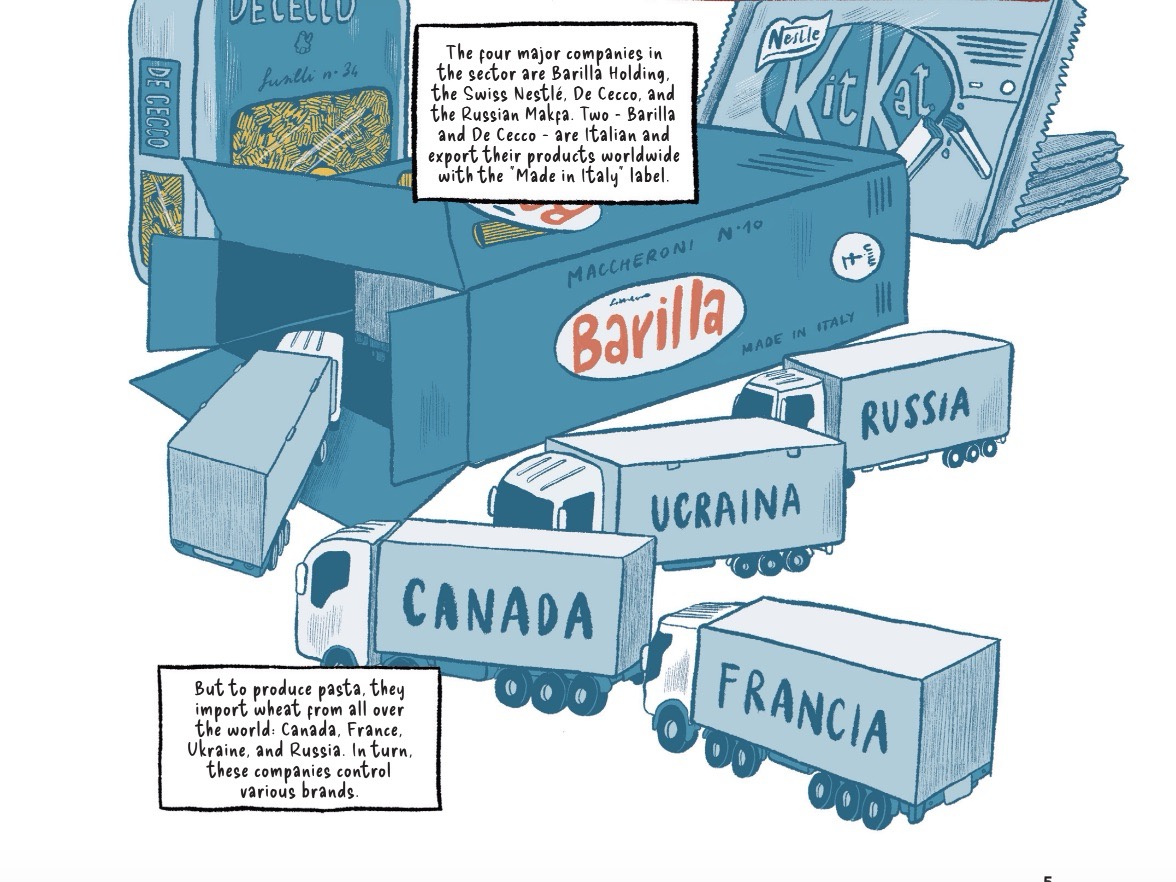
Illustration from Sara's graphic novel "The Guardians of the Seeds"
Article: ‘Hands in the Dough: Fingers in every pie’ [April 2023]
Article: ‘Hands in the Dough: The seeds’ [April 2023]
Article: ‘Hands in the Dough: Imports’ [July 2023]
Article: ‘Why does Cargill finance universities in Italy?’ [October 2023]
Article: ‘Hands in the Dough: Mills’ [November 2023]
Article: ‘Hands in the Dough: Pasta’ [December 2023]
Article: ‘Hands in the Dough: Hidden costs to our health and the environment’ [December 2024]
Film: ‘Food Barons’
Comic: ‘The Guardians of the Seeds’
Location: United Kingdom
Host Organization: The Detail
2022 Bertha Challenge:
The Profit and Politics of Water
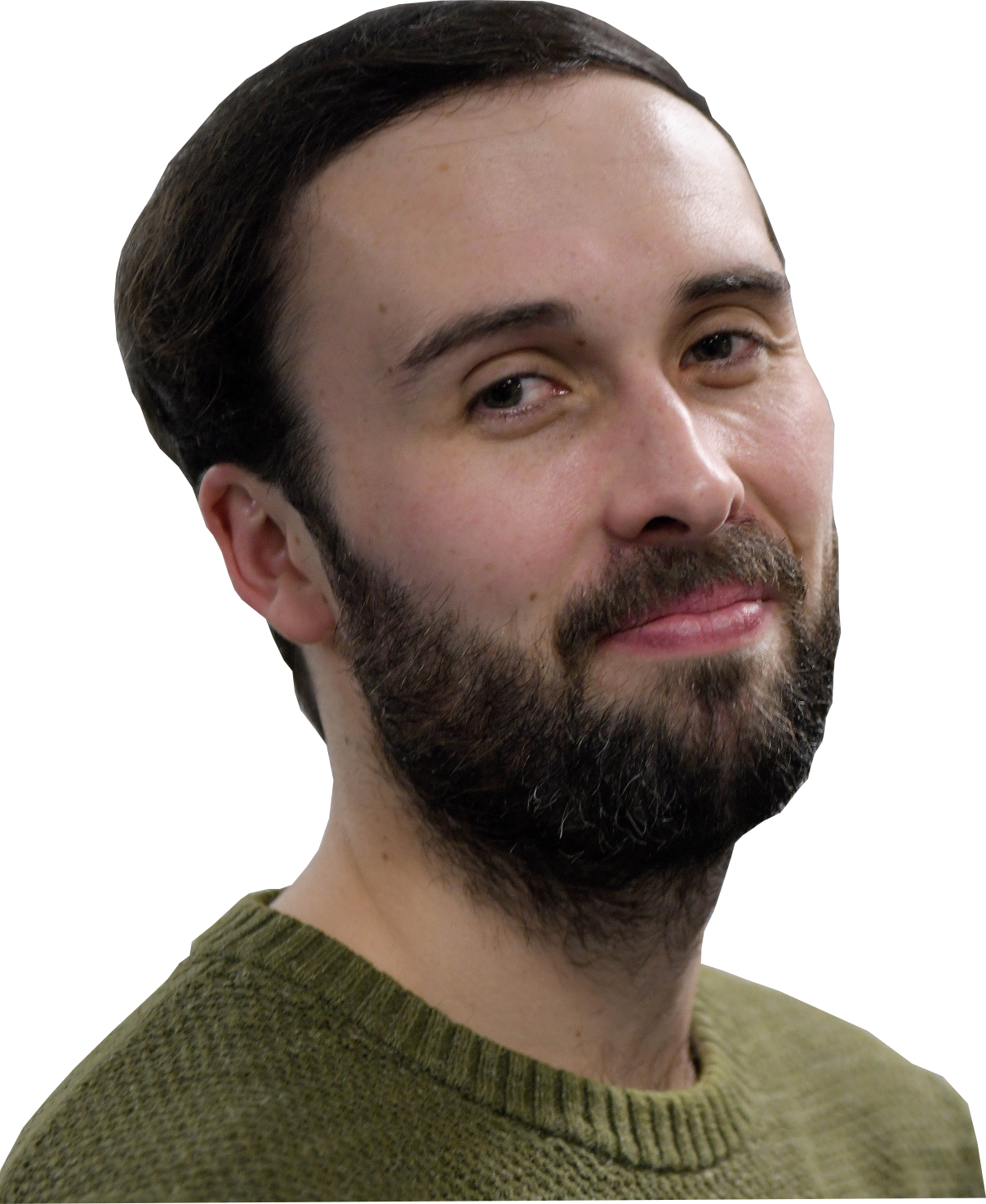
Three years after his Bertha Challenge fellowship ended Tommy Greene, a Belfast-based investigative journalist, is still continuing with work he started during his Challenge year. Prolific, meticulous and dogged, Tommy used his Bertha Challenge Fellowship to investigate industrial-scale sand dredging in Lough Neagh, one of the biggest freshwater lake systems in north-western Europe, alongside questions of ownership, rights and broader mismanagement of the lough. The lough's bed, banks and soil are owned by the Earl of Shaftesbury; an English aristocrat who has benefited from decades of unregulated extraction, raking in considerable profits.
Working in collaboration with a discussion panel of distinct civil society actors - including some activists and academics who he met during his Fellowship year - Tommy was able to examine the lough's predicament in a comprehensive and holistic way. He is now publishing a book about the crisis engulfing Lough Neagh, some of which builds on research he started in 2022. Tommy used a LiDAR survey to publicly document, for the first time, the extent of damage caused to the lake bed because of sand extraction. He uncovered tax breaks awarded to a number of the biggest Lough Neagh extraction firms, prompting a government investigation, and he traced the end point for sand taken from the lough, uncovering devastating environmental damage and destruction.
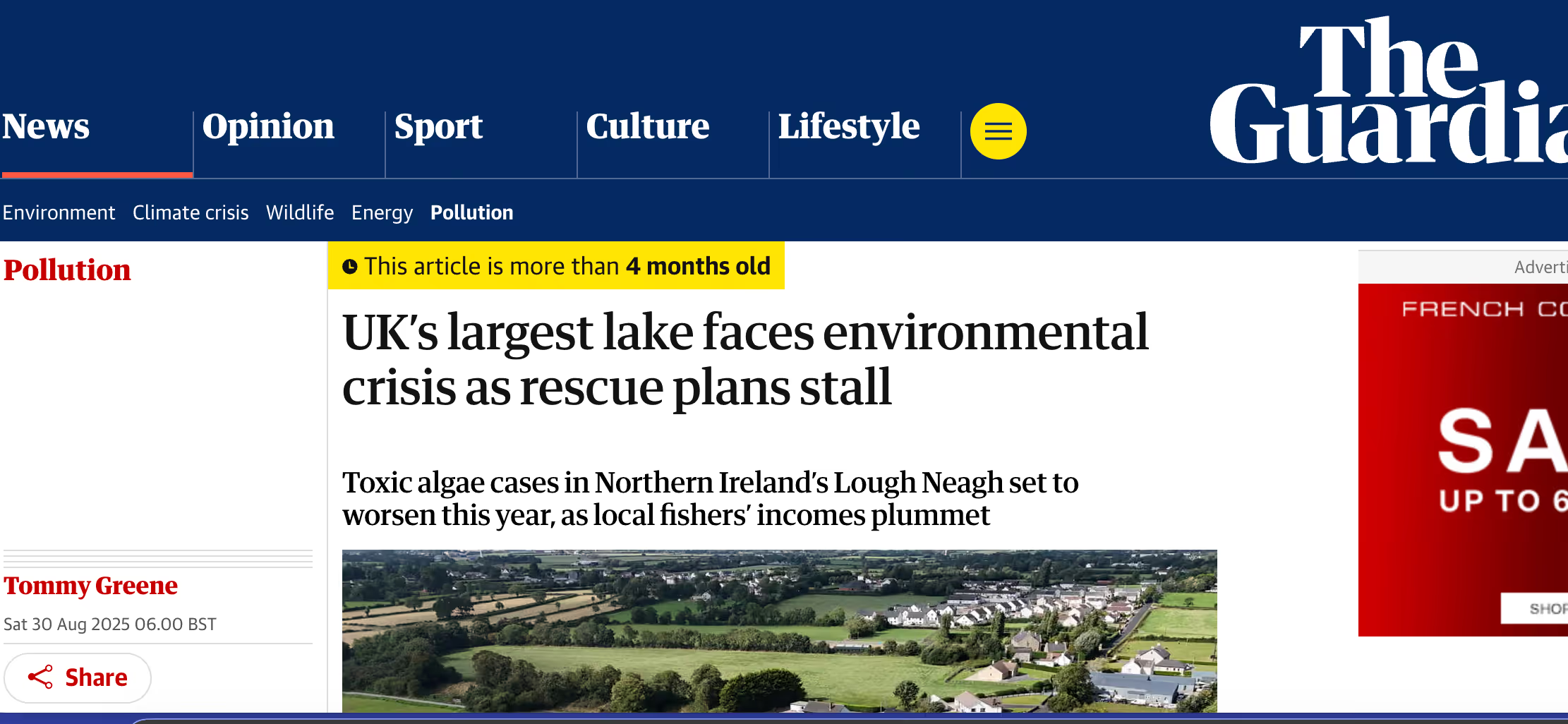
The Guardian, 20 August 2025

Sky News reporting on Tommy's findings.
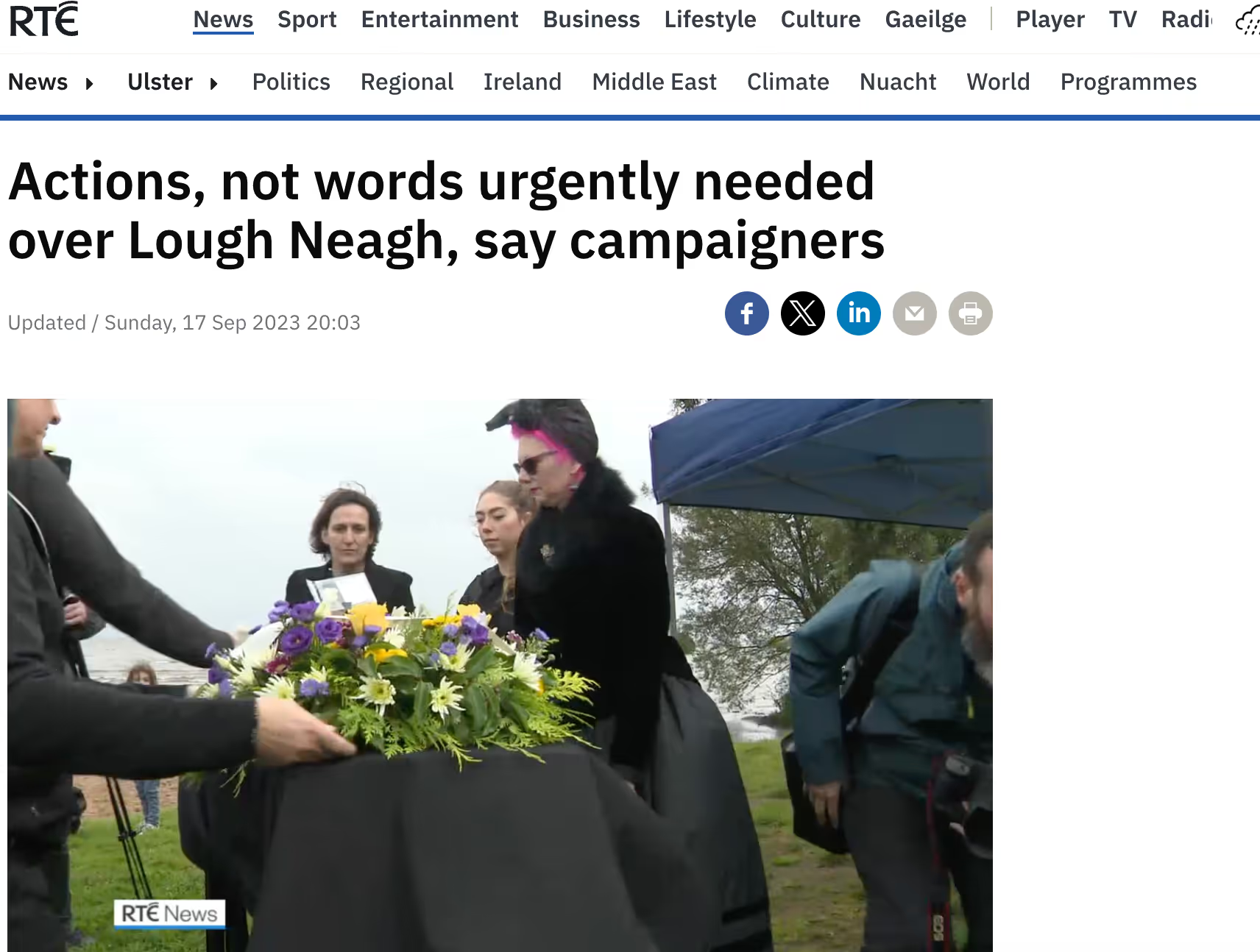
Activists in Northern Ireland staged ‘a funeral’ during a protest against pollution and sand extraction of Lough Neagh.
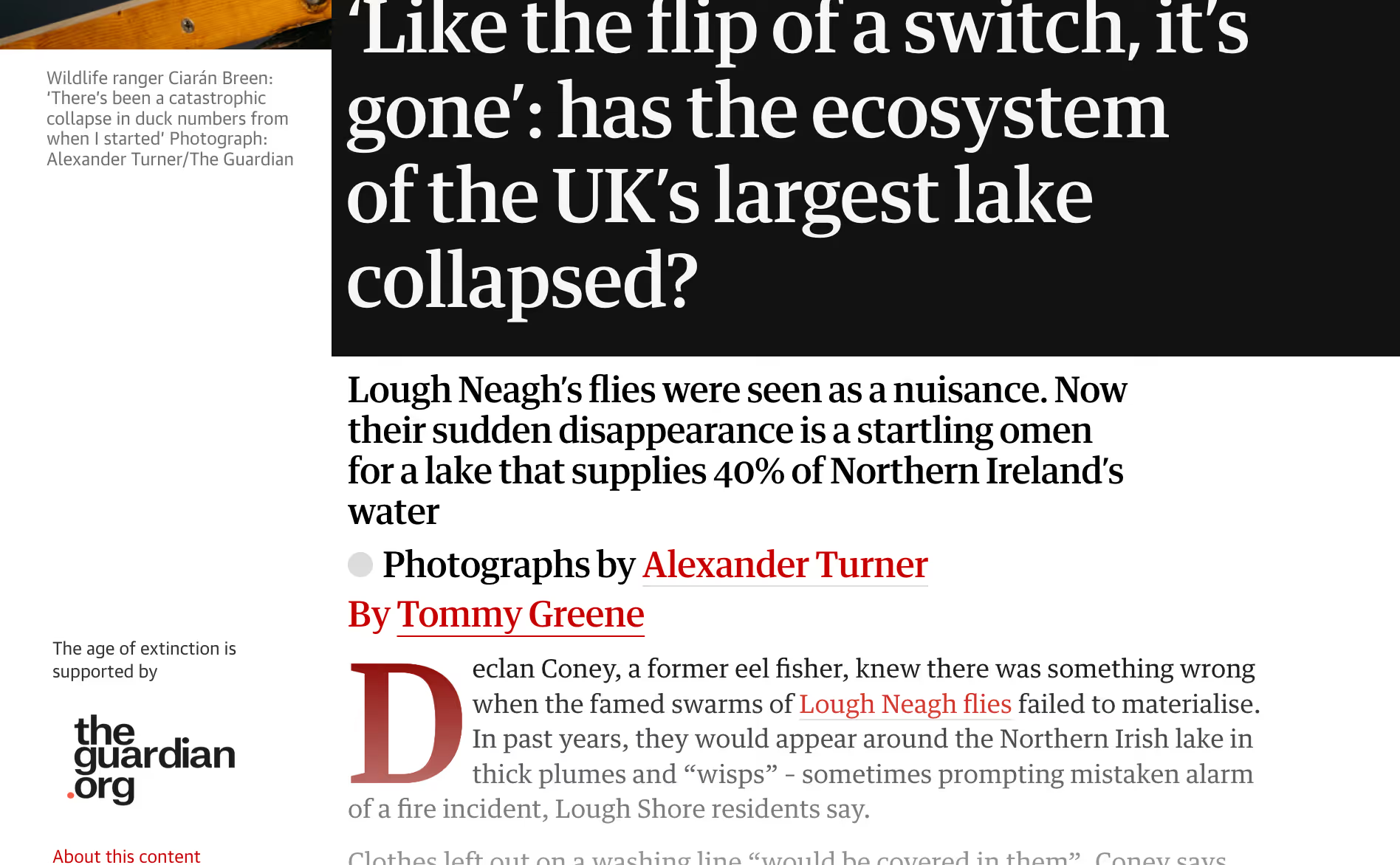
The Guardian
Interview: ‘Earth Matters – Fumba Chama’ [September 2022]
Article: ‘Probe launched into tax credits scheme which campaigners claim ‘brought planning system into ridicule’' [October 2022]
Article: ‘Investigation opened into NI tax scheme described as ‘rehearsal’ for cash for ash scandal’ [October 2022]
Article: ‘Departmental probe into tax relief scheme was ‘inadequate’, campaigner claims’ [November 2022]
Article: ‘Lough Neagh sand a ‘diminishing resource’, experts warn’ [December 2022]
Article: ‘Lough Neagh goes ‘back into the imagination and the history of Ireland’’ [December 2022]
Article: ‘Lough Neagh: New research reveals scarring caused by sand dredging’ [December 2022]
Article: ‘Lough Neagh: Scars from dredging will take ‘decades if not centuries’ to recover’ [December 2022]
Article: ‘Management of Lough Neagh a ‘civil rights issue’’ [December 2022]
Film: ‘Lough Neagh’ [December 2022]
Article: ‘Lough Neagh: Sand dredging must be better monitored, UN experts warn’ [January 2023]
Article: ‘Lough Neagh: Facts on sand dredging’ [February 2023]
Article: ‘Lough Neagh: Year-long investigation exposes serious issues with management of the lake’ [February 2023]
How is the collusion between governments and corporations driving the assault on the rule of law, civil rights and a free press? How do we push back to protect democratic accountability?
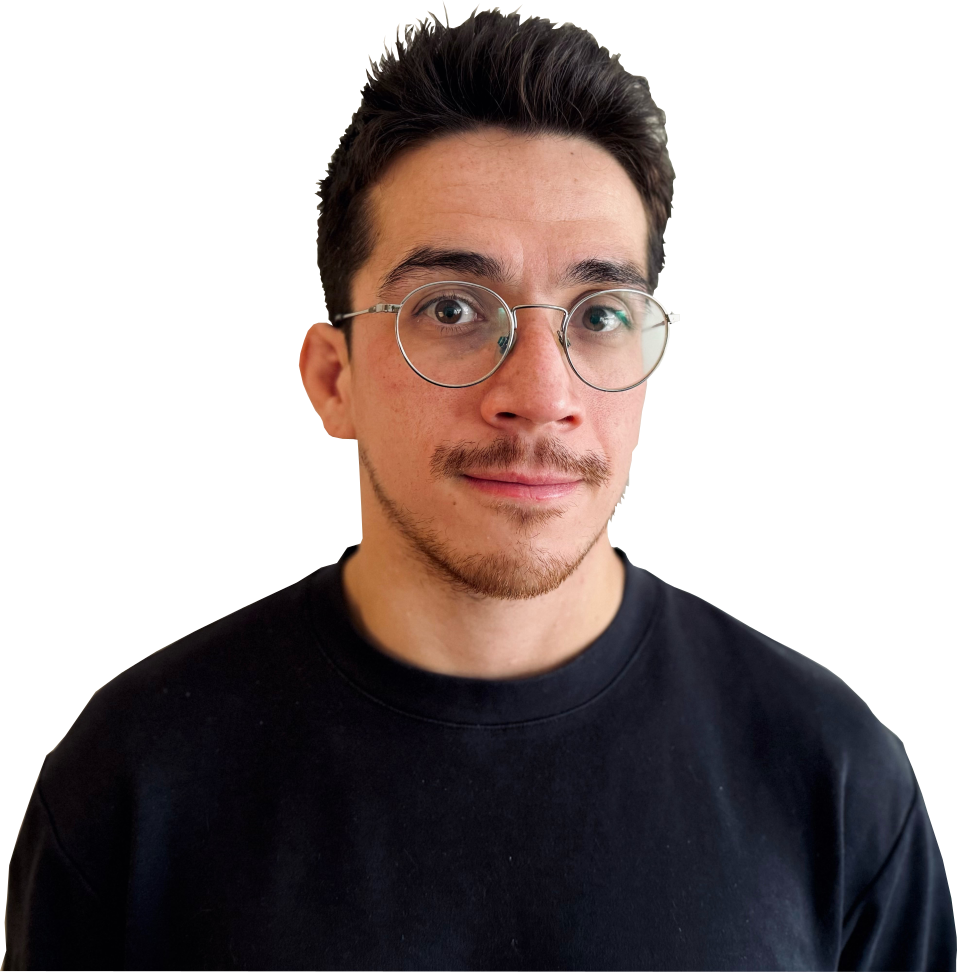
Aaron Walawalkar
Investigative Journalist
Location: United Kindom
Host Org: Liberty Investigates

Aaron Walawalkar is a reporter at Liberty Investigates, part of the UK human rights organization Liberty. Since May 2024, he has led an investigation into the repression of pro-Palestine student activism on UK campuses. His reporting has exposed cases of universities calling the police on non-violent protests, resulting in clashes and students being convicted of aggravated trespass. Other findings include revealing how one in four UK universities have launched disciplinary investigations into pro-Gaza activists, and how universities have offered to monitor student protesters on behalf of weapons firms. This work was shortlisted for the prestigious Paul Foot Award 2025.
Aaron will investigate the systemic conditions driving this worsening crackdown. This project will culminate in the creation of a website containing an interactive map displaying all evidence of repression driven by private firms, along with resources to empower those affected and other changemakers to stand up for their protest rights.
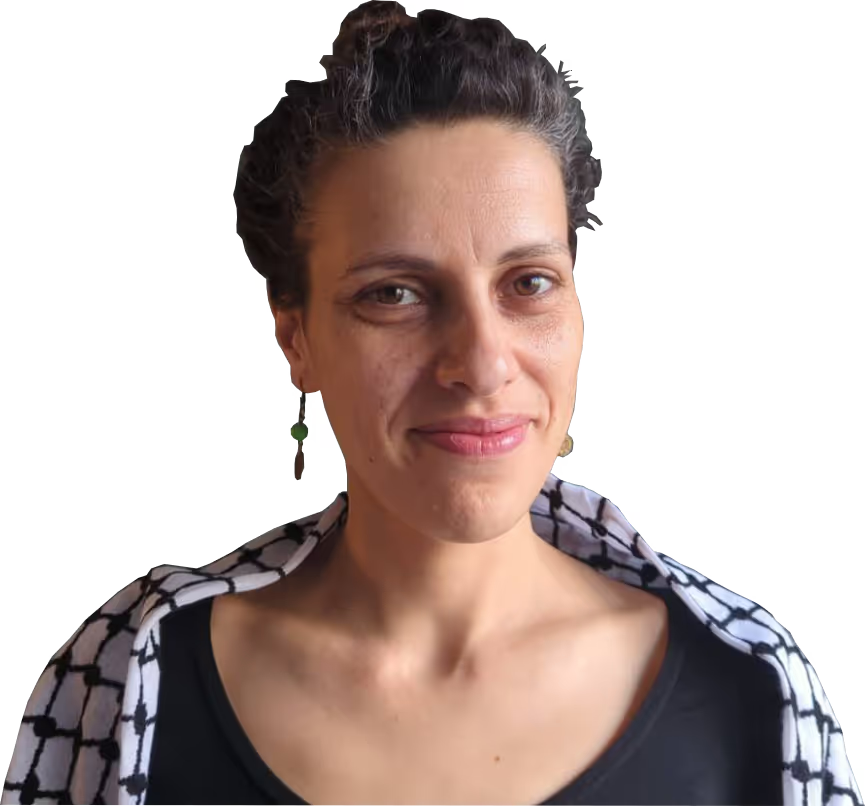
Ala Qandil
Activist
Location: Poland
Ala Qandil is a Polish-Palestinian reporter, social justice activist and humanitarian practitioner. She has over a decade of experience working on stories of resilience and resistance across Occupied Palestine, Greece, the Balkan migration route, the Turkish-Syrian border and the Polish-Belarusian border. Her work focuses on human rights, displacement, seeking justice and empowering marginalized communities. As the founder of Polish-Palestinian Justice Initiative KAKTUS, she leads strategy, research and advocacy, supporting litigation and documenting rights violations against the Palestinian people. A long-time journalist published in leading Polish and international media, Ala is also a documentary co-director whose award-winning storytelling has informed public debate and advanced accountability efforts for Gaza.
Ala will focus on advancing justice for survivors of the Gaza genocide and challenging the complicity of the Polish arms industry in crimes against Palestinians. Her work will include supporting litigation, expanding survivor participation and publishing a case study outlining legal strategies strengthening democratic accountability and confronting rising militarism in Poland.
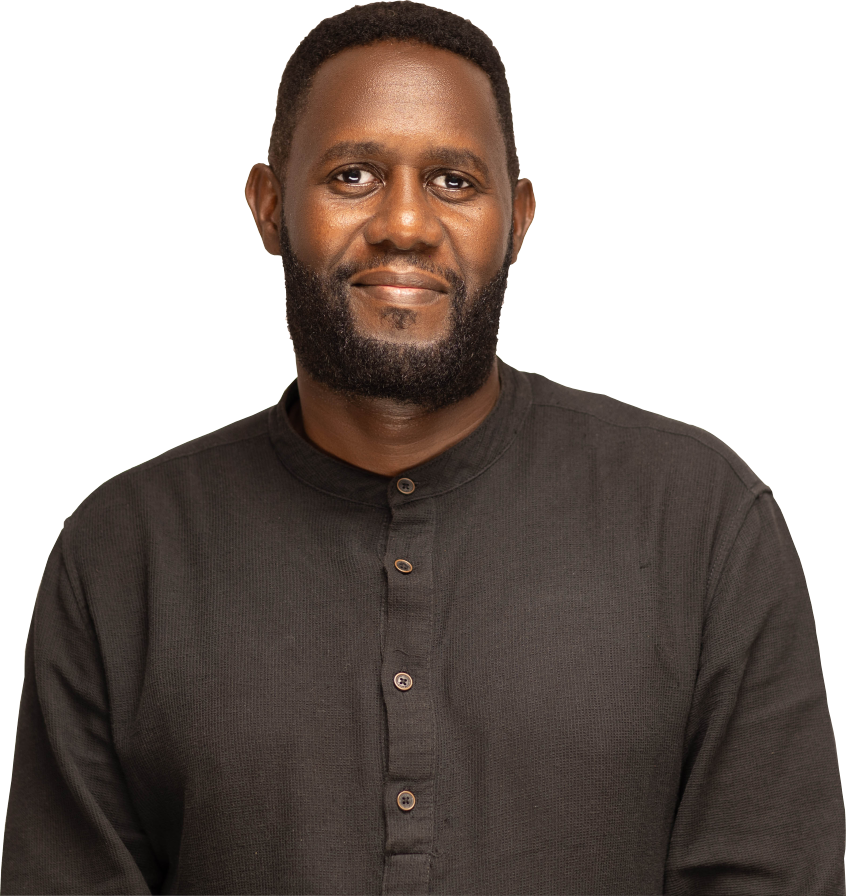
Emmanuel Mutaizibwa
Investigative Journalist
Location: Uganda
Host Org: East Africa Centre for Investigative Reporting
Emmanuel Mutaizibwa is a journalist and lawyer by profession whose work straddles journalism and legal research. He has previously worked as the Politics and Investigations Editor at Nation Media Group in Uganda where he extensively reported stories on the Great Lakes region. He is currently the managing editor at the East Africa Centre for Investigative Reporting, a non-profit media organization.
His articles and films have appeared in South Africa’s Sunday Times, the Organised Crime and Corruption Reporting Project (OCCRP), the Institute of War and Peace Reporting, Zam Magazine, The Guardian newspaper, Al-Jazeera Television, Vice Media Group, TRT World, among others.
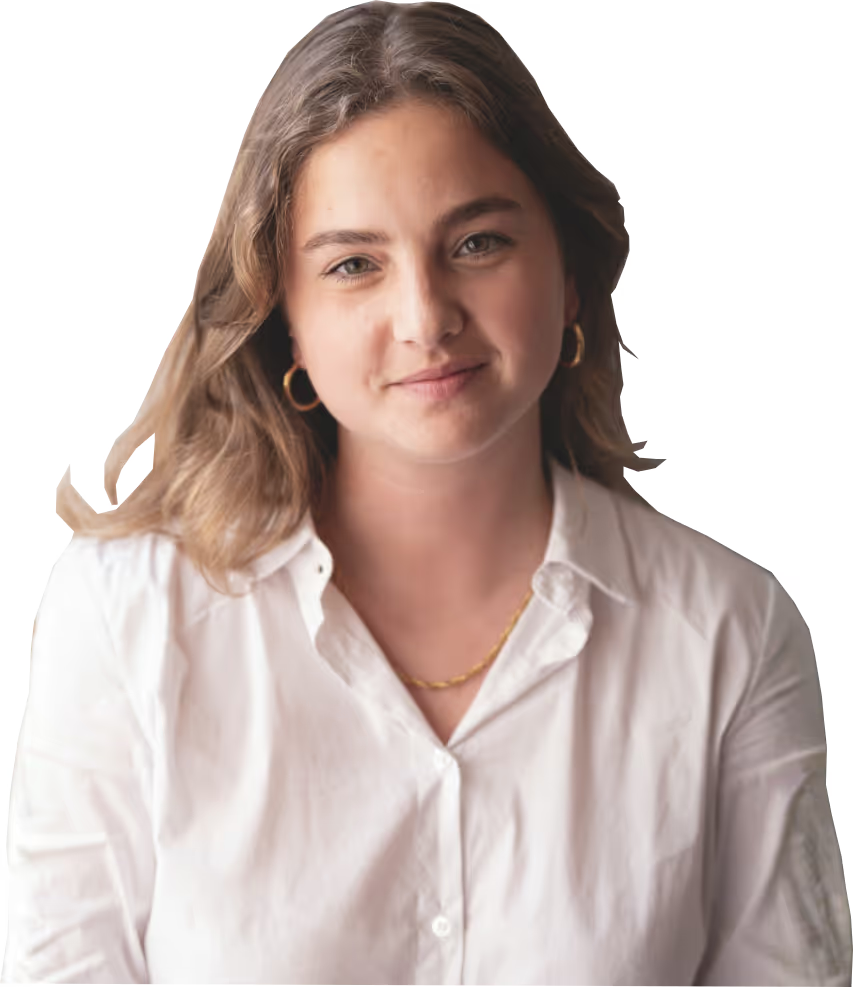
Gaia Caramazza
Filmmaker
Location: United States
Host Org: Watermelon Pictures
Gaia Caramazza is an award-winning filmmaker and journalist who reports stories of politics, identity and resistance. She was inspired to become a reporter growing up in Tunisia during the Arab Spring and is currently based between Rome and New York City. Her work has appeared across print, audio and TV in The Guardian, Al Jazeera English and the BBC World Service. A graduate of the Columbia Journalism School and a Pulitzer Center reporting fellow, Gaia is committed to making films challenging dominant narratives with nuance and empathy.
Gaia will complete her documentary examining how student journalists at Columbia University in New York City challenged mainstream media narratives surrounding the 2024 student protests against the genocide in Gaza. Filmed over months of on-the-ground reporting, the project captures a rare inside look at the encampment through the eyes of young reporters who refuse to let their stories be distorted. Her work will bring this urgent story to wider audiences at a pivotal moment for press freedom and shrinking democratic rights.
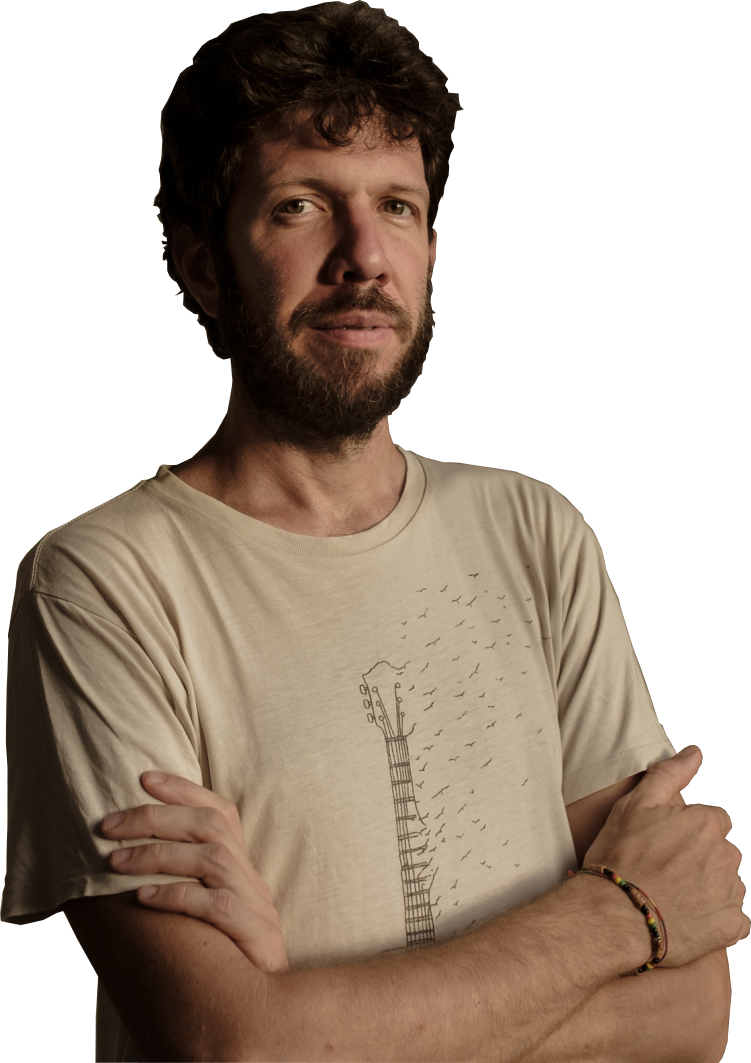
Giacomo Zandonini
Investigative Journalist
Location: Italy
Host Org: Statewatch
Giacomo Zandonini is a Rome-based investigative journalist reporting on how European policies shape communities and civil liberties. Over the past five years, his investigations have helped expose key aspects of the EU’s expanding surveillance apparatus. He combines diverse methodologies to craft narrative long-form stories and features published by major media outlets across Europe and beyond. He is also a co-founder of Fada Collective, an Italian nonprofit advancing public-interest journalism.
Giacomo will conduct in-depth research into how surveillance technologies affect the right to protest and, more broadly, fundamental rights across the European Union. Grounded in close engagement with affected communities, researchers and civil society organizations, his work will investigate corporate structures, lobbying activities and public procurement processes. By connecting these elements and uncovering new information, the project aims to strengthen public understanding of the forces shaping European surveillance practices. Ultimately, Giacomo’s research seeks to foster accountability, protect civic space and support more informed public participation.
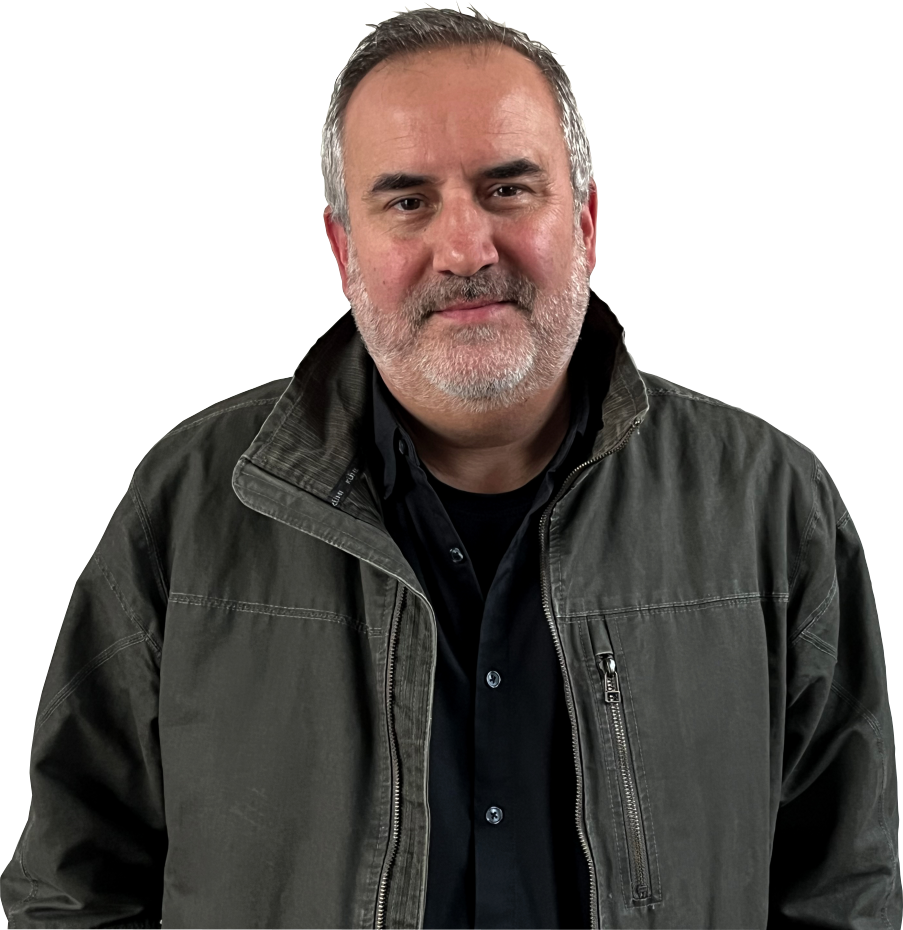
Greg Constantine
Investigative Journalist
Location: Canada
Host Org: CENTER
Greg Constantine is an American/Canadian documentary photojournalist, author and visual storyteller. He has dedicated his career to long-term, independent projects that explore themes of human rights, inequality, citizenship, identity, genocide and the power of the state. His award-winning projects include: Nowhere People, Exiled To Nowhere: Burma’s Rohingya, Kenya’s Nubians and Ek Khaale: Once Upon A Time. He is the author of three photography books and exhibited his work in over forty cities. He has spent years documenting the use of immigration detention in several countries around the world for his project “Seven Doors”.
Greg will expand his work documenting the scale and scope of the US immigration detention system. His work will investigate and visualize the entangled relationship between detention, policy and the economic interests of local governments and profit-driven corporate America and how it impacts individuals, families and communities across the country.
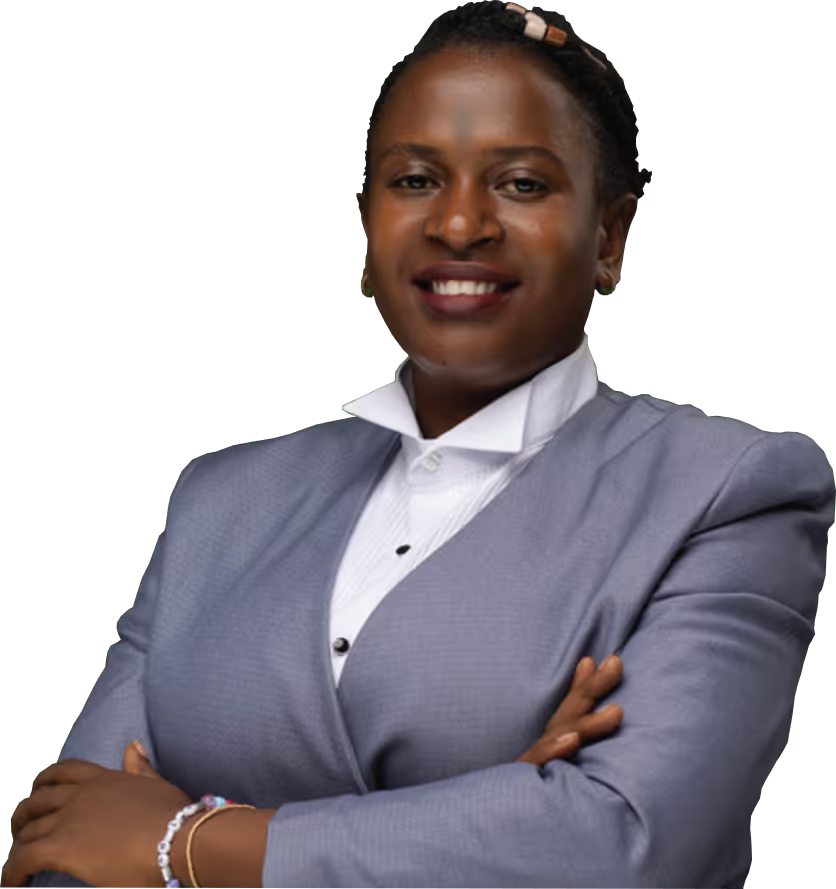
Judith Nansubuga
Lawyer
Location: Uganda
Judith Nansubuga is a dedicated human rights and environmental justice advocate. Since qualifying as a lawyer, she has applied her legal expertise and experience working with communities. She is passionate about inspiring youth engagement and equipping marginalized groups with tools to defend their rights and environment, driving meaningful change from the local to the international level.
Judith will implement a legal program in Busia’s Mawero community to support residents to address human rights and environmental issues. She will establish a clear complaint management strategy for local grievance committees to address their concerns about the Wagagai Gold Mining Company. She will document human rights and environmental issues, leveraging partnerships and the media to amplify affected communities’ voices. A core part of her work will be creating a legal toolkit, giving residents the knowledge and procedures to effectively seek remedies for violations and degradation.
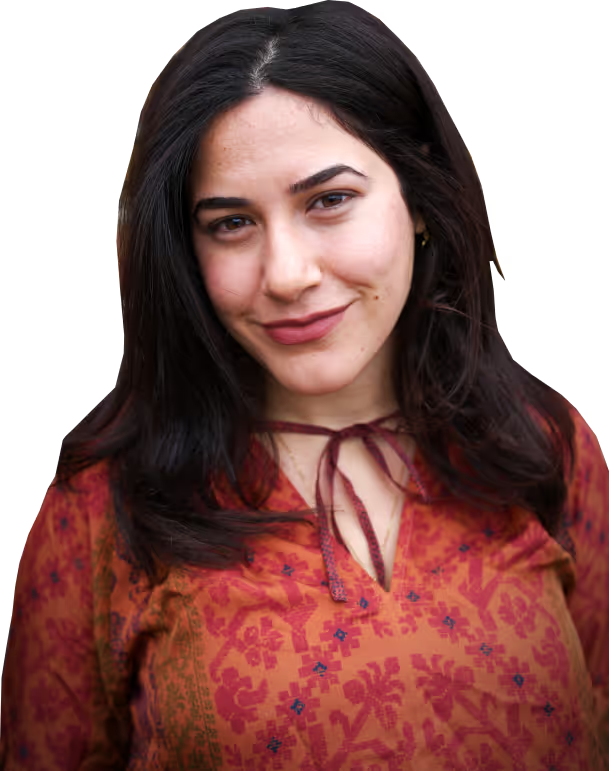
Menna Hijazi
Filmmaker
Location: United Kingdom
Host Org: Basement Films
Menna Hijazi is a Palestinian investigative journalist, filmmaker and legal researcher from Gaza, now based in the UK. She specializes in the intersection of international law, human rights and storytelling that serves the public interest. Her background is in law, political science and communications across Palestine, the US and the UK. She’s contributed to investigations with the BBC, Channel 4 and worked alongside organizations including ICJP, UN and EU-funded programs. Her work centers on accountability in conflict, civilian protection and ensuring people are heard.
During her Fellowship year, Menna will investigate how UK public and private sectors impact civilian populations in conflict zones. She’ll combine legal research, investigative filmmaking and policy analysis to create evidence-based work that can inform both advocacy efforts and public understanding. The project aims to push for greater transparency and accountability where it matters most. She will sharpen her investigative practice and build meaningful cross-sector partnerships.
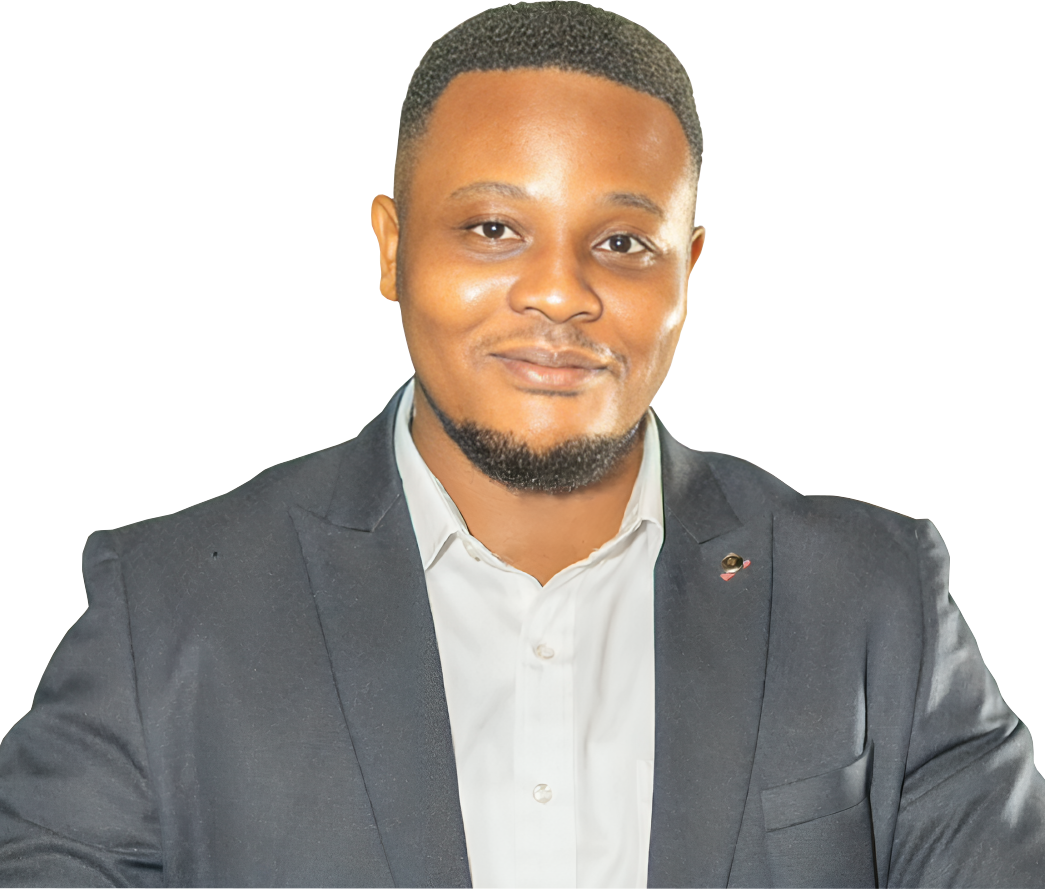
Noel Mdoe
Lawyer
Location: Tanzania
Host Org: Center for Strategic Litigation
Noel James Mdoe is an environmental lawyer from Tanzania with a deep commitment to climate justice and community lawyering. An alumnus of the inaugural African Climate Legal Fellowship Programme, he is the Climate Justice Lead at the Center for Strategic Litigation, where he does research, advocacy and strategic litigation including working on the high profile case against the East African Crude Oil Pipeline. His work centers on defending community land rights, strengthening consent standards and building legal strategies linking grassroots realities to regional and international accountability spaces.
Noel will investigate and decode Tanzania’s fast expanding carbon offset frontier. Working with grassroots partners and affected communities, he will document how carbon contracts reshape land tenure, consent and livelihoods. He will produce legal research and model pleadings to support strategic litigation on fairer, rights-based climate governance. His project will track legal architectures, consent practices, benefit sharing and the policing of dissent and follow the chain of carbon credits exposing who profits and how. His aim is to turn opaque deals into actionable public evidence for communities.
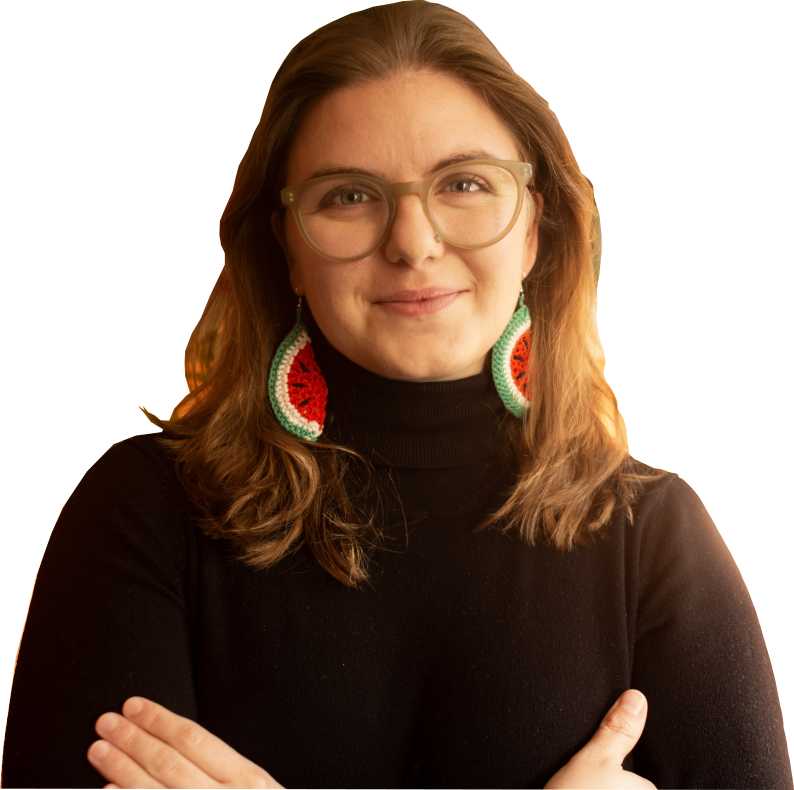
Rhiannon Mihranian Osborne
Activist
Location: United Kingdom
Host Org: Medact
Rhiannon Mihranian Osborne is a medical doctor, community organizer, writer and researcher focused on corporate violence and environmental justice. She uses health as a lens to expose the violence of capitalism, to build movements and to create spaces for collective care. Internationally she works closely with communities impacted by extractive industries such as oil, gas and mining. In the UK, she organizes with health workers to fight against border violence and genocide complicity within the National Health Service (NHS).
Rhiannon will investigate and organize against strategic corporate targets within the NHS, whose operations expand surveillance, privatization and occupation. She will expose collusion between corporations and the UK government and build community and worker power to resist big tech in our public services. Her work also aims to expose the violent reality of surveillance, AI warfare and targeting in Palestine and the ‘imperial boomerang’ of this technology.
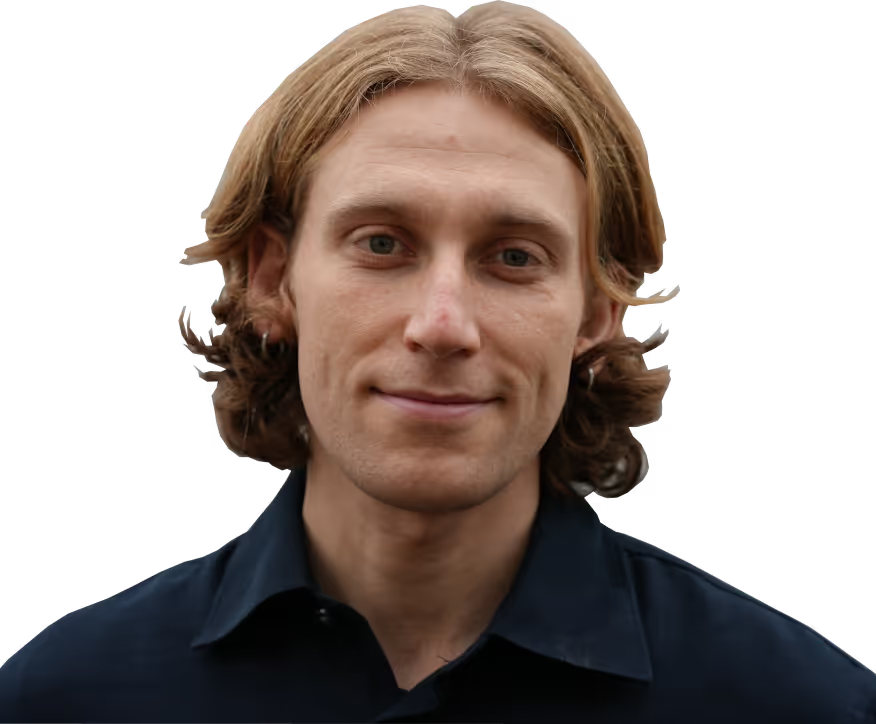
Rich Felgate
Filmmaker
Location: United Kingdom
Host Org: Passion Pictures
Rich Felgate is a documentary filmmaker based in London, who first picked up a camera as a climate activist to document an insider’s view of the frontlines of environmental resistance. His debut feature doc, FINITE, tells the story of communities in the UK and Germany halting the expansion of opencast coal mines. FINITE screened at festivals around the world (Leeds, DokuFest, DocEdge, FIPADOC), received multiple awards and has been broadcast by a variety of international public service broadcasters.
Rich is currently in production on a new feature documentary following the climate activist group Just Stop Oil and the repression of protest in the UK. During the next year, Rich will be working with Passion Pictures to complete the film and launch an impact campaign, with the goal of using the film to ignite public conversation and support grassroots activism on the erosion of civil liberties amid the escalating climate crisis.
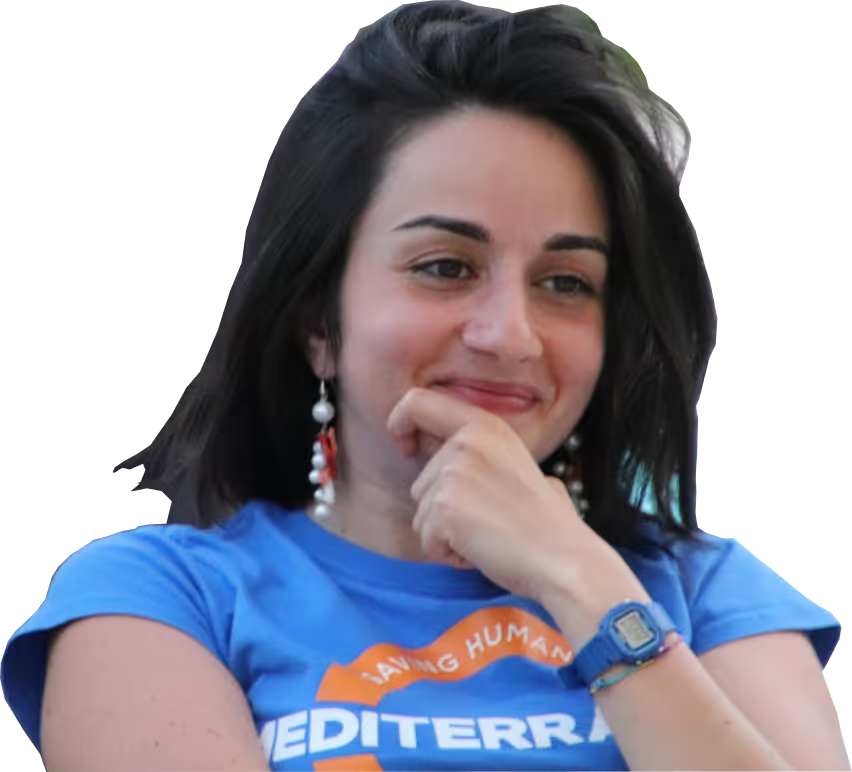
Rosita Rijtano
Investigative Journalist
Location: Italy
Host Org: Wired Italy
Rosita Rijtano is an award-winning Italian journalist exploring the intersections of technology, organized crime and social justice. Her work has appeared in leading outlets such as Wired, OCCRP, L’Espresso, La Repubblica and Al Jazeera. She co-authored several books, including ‘Insubordinati’ (Edizioni Gruppo Abele), a year-long investigation into riders and the algorithms managing their work, recognized by Oxfam in 2023. She has worked as a freelance reporter, editor and editor-in-chief in multiple newsrooms. Beyond journalism, she collaborates with activists and civil society organizations to build safer digital ecosystems, develop secure whistleblowing platforms and guides to help journalists counter digital threats.
As a Bertha Challenge Fellow, she will investigate Italy’s investigative and surveillance practices to assess their impact on civil liberties.
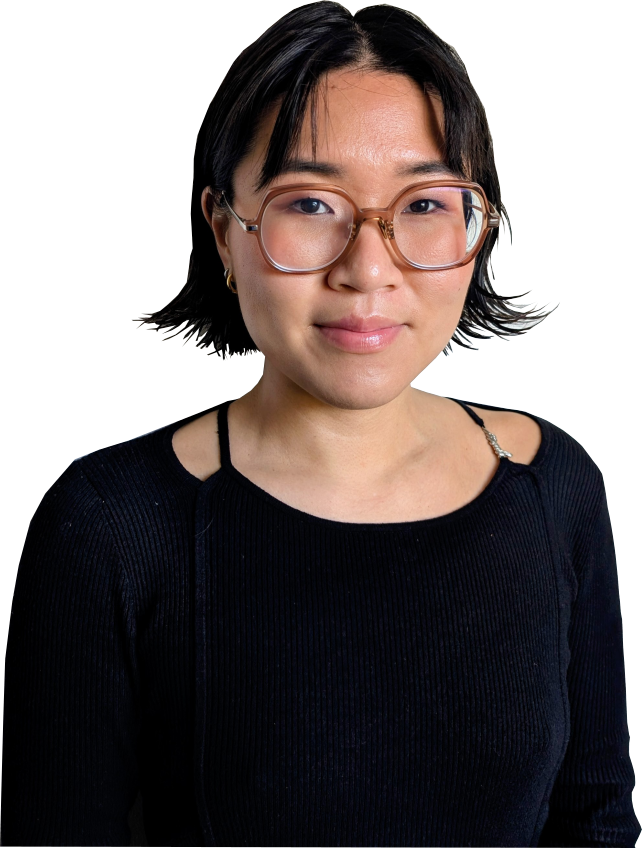
Yuna Chang
Activist
Location: United Kindom
Host Org: Movement Research Unit
Yuna Chang is a South Korean activist and researcher based in London, UK. She specializes in investigating corporate power and its role in fuelling the major crises of our times. Her previous work includes research on corporate lobbying on climate policy, data projects on extreme heat and climate disasters across global cities and writing on intergenerational resistance to state and corporate abuses of power. Her research and writing have been featured in CNN, BBC, Politico, The Economist and Skin Deep.
Yuna will investigate the expanding infrastructure around surveillance of social movements in the UK, mapping the state and corporate actors involved and the networks of power and profit that keep these systems afloat. Her work will support communities to not only document and track the crackdown on their democratic rights to protest, but also to archive and connect their strategies of resistance.
Previous Bertha Challenge Fellows will not be considered for a second Fellowship. Previous recipients of other Bertha Foundation funding are not precluded from applying for the Bertha Challenge.
Lawyers are expected to hold a relevant academic legal qualification.
For activists, investigative journalists and filmmakers, we are interested in relevant qualifications but don’t consider these a prerequisite to applying. We are more interested in your experience (including the body of work you’ve produced), your proposed project, your motivation and your passion for your work.
If you strongly believe that your proposed project, your host organization and what you could achieve qualify you for the Fellowship, we will consider your application. We regard relevant non-paid work as work experience.
No - We recognize that applicants often have multiple demands on their time, but we ask Fellows to make a full-time commitment to their Fellowship project and to sign a document at the beginning of their Fellowship agreeing to this. In addition to working on your Fellowship project, this commitment includes attending the Fellowship convenings, and regular calls with other members of the cohort. We expect you to organize your year’s commitments around the bi-monthly calls.
Yes, you are welcome to apply with a project that is linked to other applicants' project(s). Both/ all of your proposed bodies of work should be aligned and strengthen one another, but must also be a stand-alone project. Each applicant must apply with their own proposed project and host organization. For example, if a lawyer and filmmaker want to team up to work together on an aligned project, they will work together and separately developing and producing distinct pieces of work, both directly speaking to the Bertha Challenge question. Their respective host organizations will support them in different and aligned ways.
If projects are linked in this way, all applicants are still required to present their final products in English and expected to participate in regular calls and discussions with other Fellows in English.
No - You do not need to be employed by your host organization, but your host organization must be able to disburse your salary, Project Fund and Connect Fund. While some Fellows are employed by their host organization, others are paid by their host organization as a freelancer for the duration of their Fellowship. Arrangements for tax and any social security payments must be agreed between you and your host organization.
No - We consider the host organization as a vital part of the application shortlisting process. It is important that you apply with a host organization that is able to support you by publishing or distributing your work, connecting you with relevant partners and audiences and giving you administrative support such as disbursing your Project Funds and salary. We will not consider applications without a host organization.
Usually Fellows are located in the same city or area as their host organization, however this isn’t an essential requirement. It is important that you explain how your host organization will support your Fellowship project in your application. A solid working relationship with a host organization is a key factor in selecting Fellows.
No - Your host organization will be given first option to print/ broadcast/ distribute your work. This clause is intended to ensure that your work remains open source and can be re-printed and distributed as widely as possible. Bertha Foundation does not expect your host organization (or other organizations) to seek permission before publishing your work.
Yes - The questions are available to view as a PDF while applications are open. The PDFs are for reference only - please use the online forms to make your application submission.
Please email berthachallenge@berthafoundation.org with a description of the problem.
This website is human
designed by Sammy Richards